

How Do Process Parameters Affect Ductility And Fusion With ER5356
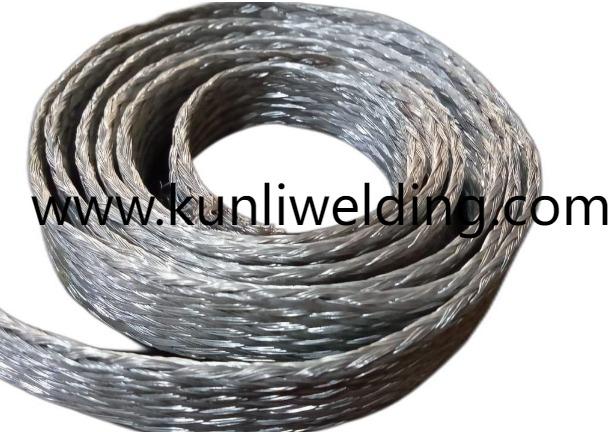
When joining 6061 aluminum in fabrication or repair work, filler choice influences both immediate weld performance and longer term service behavior. Aluminum Welding Wire ER5356 is commonly specified alongside 6061 because its alloy balance supports ductile deposits and good corrosion behavior, but using it well requires attention to metallurgy, process settings and finishing steps so the joint meets mechanical and durability expectations.
Start with metallurgical fit. The base metal is heat treatable and its temper is affected by the thermal cycle of welding. A magnesium bearing filler like this one produces a weld metal that resists certain forms of localized corrosion and that tolerates deformation, yet it will not return the heat treated zone to its original tempered strength. Designers should therefore account for any intended load path and consider whether post weld mechanical strengthening or altered joint design is required where full base metal strength is necessary.
Control of heat input remains a practical lever. Excessive net energy widens the softened zone and increases distortion while too little energy risks incomplete fusion. Aim to produce smooth fusion contours and consistent toe geometry so stress concentration at the weld edge is minimized. In mechanized cells pulse modes and consistent wire feed help maintain stable puddles; in manual work disciplined travel rhythm and small, repeatable motions give similar results. Documented parameter windows simplify transfer of settings between operators and cells.
Surface preparation and cleanliness affect both weld integrity and finishing outcomes. Remove oils, grease and loose oxides ahead of welding and handle spools to avoid contamination. When assemblies will receive protective coatings or anodic finishing, trial pieces that include the full cleaning and finishing sequence reveal how the weld deposit and surrounding metal behave together. That combined trial prevents surprises such as uneven coating uptake or visible color differences at the joint.
Joint design and fit up deserve early attention. Where 6061 parts are thin or where complex geometry creates restraint, designers should minimize gap variation and avoid sharp changes in section that concentrate thermal strain. Proper fixturing and backing strategies reduce the need to overwork the puddle, which preserves intended deposit chemistry and reduces the chance of porosity or distortion that would otherwise increase finishing effort.
Consider post weld processes carefully. If the program calls for restoring any mechanical properties through heat treatment, remember that the filler chemistry and the joint assembly will dictate achievable outcomes. In many service contexts the preferred route is to design joints and select fillers so that expected in service loads are met without reliance on post weld tempering. When repairability or field serviceability is a priority, pick approaches that keep rework accessible and predictable.
Supplier practice and documentation streamline qualification and traceability. Request handling notes, suggested parameter windows and batch identifiers so quality teams can correlate any in service observation to production records. Sample spools and representative coupon tests performed with the exact joint geometry and finishing steps used in production shorten qualification and reduce the number of iterations needed to reach acceptable results.
Operator training and routine checks complete the chain. Training that emphasizes consistent torch position, filler addition rhythm and visual cues for acceptable fusion helps transfer good trial settings into steady production. Add quick incoming inspection routines for spool condition and labeling, and maintain simple in process audits to catch drift before it affects assemblies at scale.
When teams integrate alloy selection, joint design, welding process control and finishing trials, the pairing of this filler with 6061 base metal becomes a predictable engineering decision rather than a source of repeated troubleshooting. Close collaboration with suppliers during trial phases and clear documentation through production help maintain consistent outcomes as programs scale. For product details and technical guidance on this filler and related aluminum welding wire options consult the manufacturer resource at www.kunliwelding.com .

 English
 French
 Spanish
 Portuguese
 Deutsch
 Turkish
 Dutch
Dutch
 Italiano
 Russian
 Romaian
 Portuguese (Brazil)
 Greek
Greek
