

Unlocking Data: An Introduction to Intelligent Document Processing
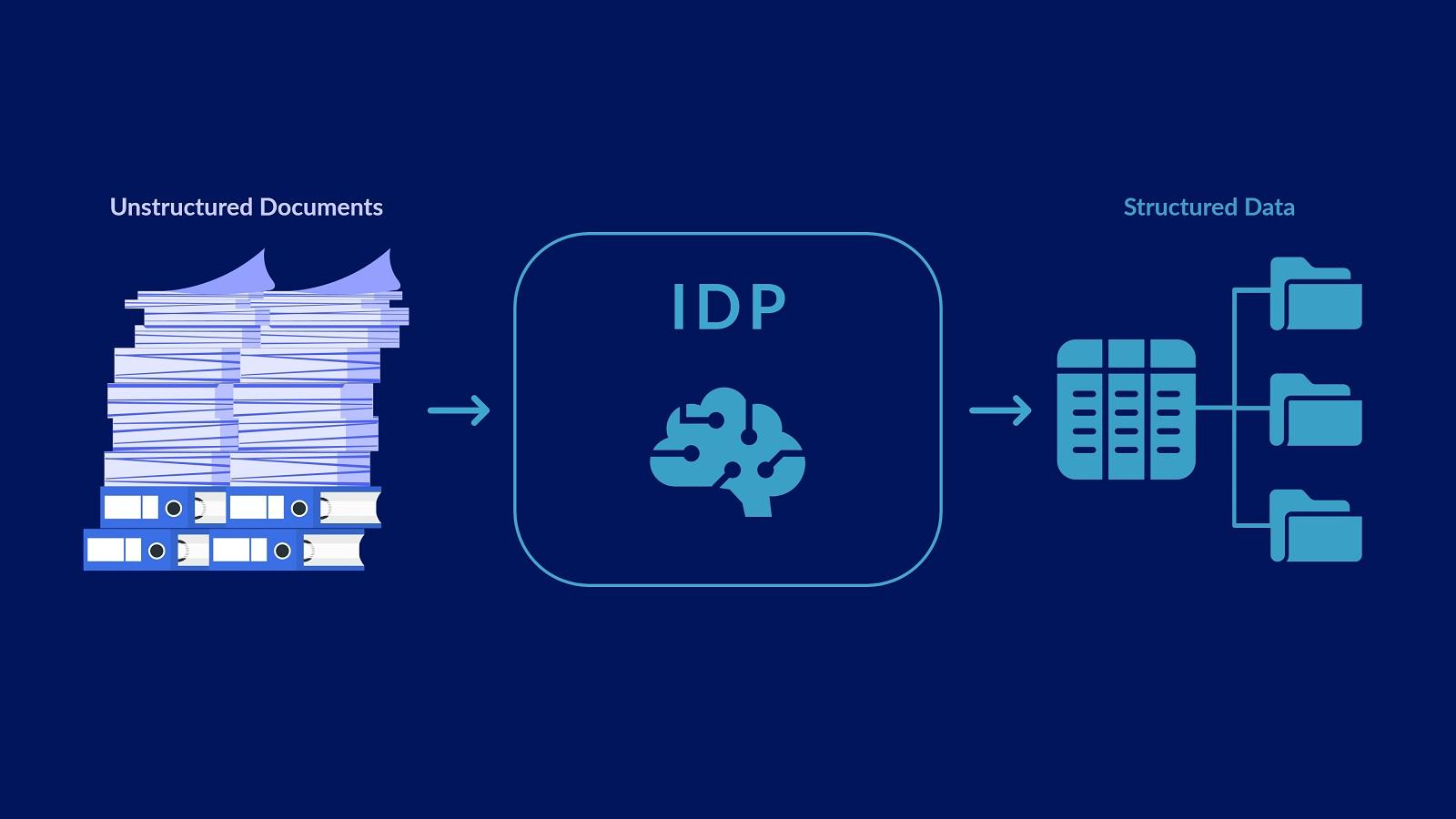
In modern enterprises, a vast and growing percentage of critical business information is locked away in unstructured and semi-structured documents like invoices, contracts, emails, and forms. The manual process of extracting and entering this data into business systems is slow, expensive, and prone to human error. This is the challenge that Intelligent Document Processing (IDP) is designed to solve. IDP is an advanced form of intelligent automation that uses artificial intelligence (AI) technologies—specifically optical character recognition (OCR), natural language processing (NLP), and machine learning—to automatically capture, classify, and extract relevant data from a wide variety of document types. By transforming unstructured data into structured, usable information, IDP eliminates the need for manual data entry, dramatically accelerates business processes, and unlocks the valuable insights hidden within an organization's documents, making it a cornerstone technology for digital transformation and hyper-automation.
At its core, an IDP solution follows a multi-stage process to intelligently handle documents. The first stage is ingestion and pre-processing, where documents from various sources (scans, emails, PDFs) are collected, and their quality is enhanced through techniques like noise reduction and deskewing. The second stage is classification, where the system uses machine learning to automatically identify the type of document (e.g., an invoice, a purchase order, a passport). The third and most critical stage is data extraction. Unlike traditional OCR, which just turns an image into text, IDP uses AI to understand the context and layout of the document to extract specific data fields, such as the invoice number, vendor name, and total amount, even if their position on the page varies. The Intelligent Document Processing Market size is projected to grow to USD 30171.01 million by 2035, exhibiting a CAGR of 29.22% during the forecast period 2025-2035. The final stages are validation, where the extracted data can be checked against business rules or external databases, and integration, where the structured data is seamlessly exported to downstream enterprise systems like ERP or CRM.
The business benefits of implementing an IDP solution are substantial and impact multiple areas of an organization. The most immediate and tangible benefit is a massive reduction in operational costs. By automating the manual and time-consuming task of data entry, organizations can reduce labor costs by 50-70% or more for document-heavy processes. This also leads to a dramatic improvement in processing speed; an invoice that might take days to be manually processed can be handled in minutes by an IDP system, accelerating payment cycles and improving supplier relationships. Furthermore, automation significantly increases data accuracy by eliminating the human errors that are inevitable in manual data entry. This leads to better decision-making, improved compliance, and a reduction in costly downstream exceptions and rework, delivering a strong and rapid return on investment.
Beyond cost and efficiency, the strategic value of IDP lies in its ability to unlock the "dark data" trapped within an organization's documents. Every contract, customer email, and claim form contains valuable insights that can be used to improve business outcomes. An IDP solution can extract and structure this data, making it available for analysis. For example, a bank can analyze thousands of loan applications to identify risk patterns, or an insurance company can analyze claims forms to spot potential fraud. By transforming documents from static, unstructured records into a rich source of structured data, IDP not only streamlines existing processes but also provides the fuel for advanced analytics, business intelligence, and more informed strategic decision-making, helping organizations to become truly data-driven from end to end.
Explore Our Latest Trending Reports:
Conference Room Solution Market Size

 English
 Arabic
 French
 Spanish
 Portuguese
 Deutsch
 Turkish
 Dutch
Dutch
 Italiano
 Russian
 Portuguese (Brazil)
 Greek
Greek