
The New Digital Elite: Analyzing Non Fungible Tokens Market Share
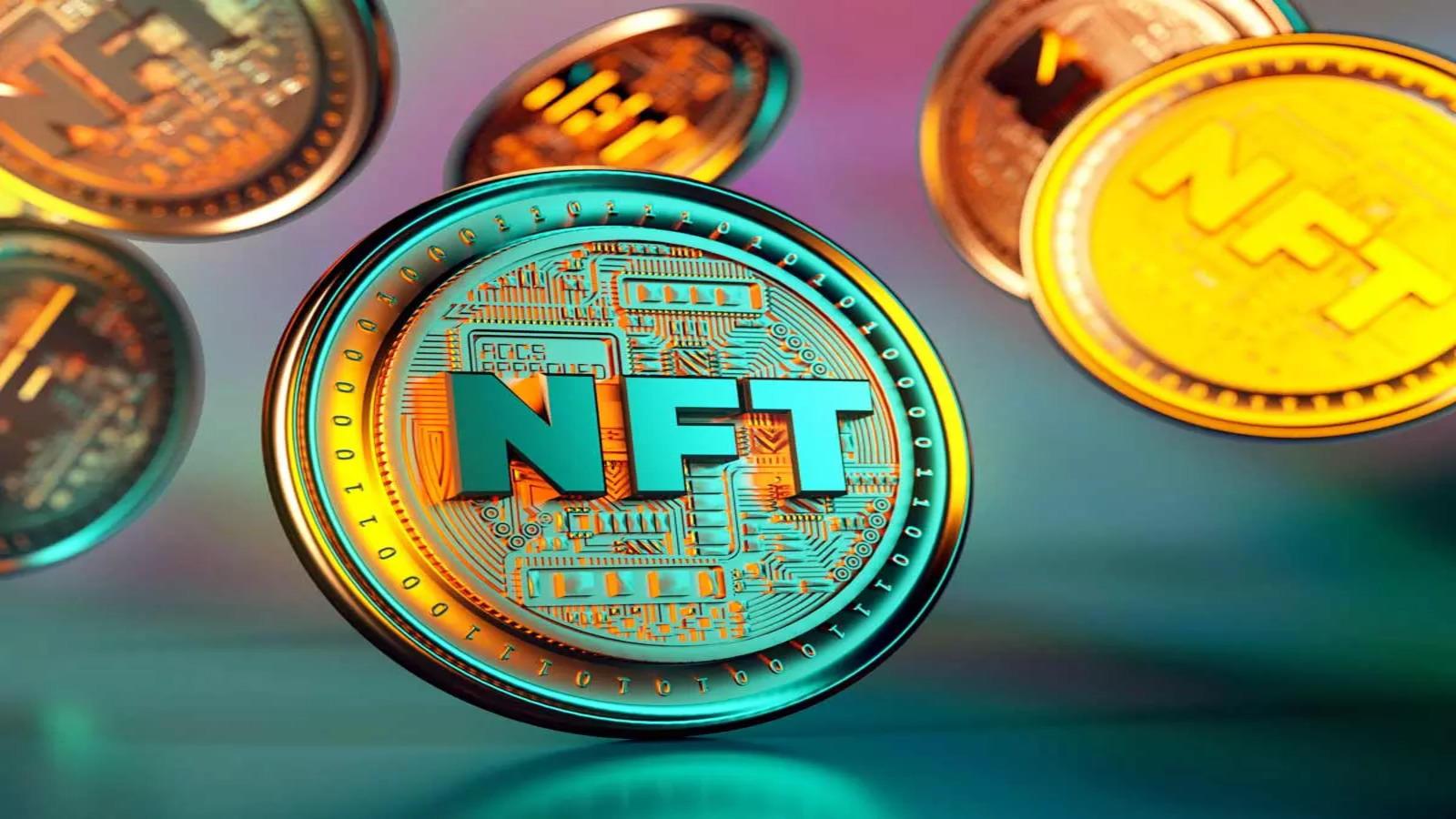
In the fast-moving and highly trend-driven world of non-fungible tokens, market share is a key indicator of a project's cultural relevance, a platform's liquidity, and the overall health of the ecosystem. A detailed analysis of the Non Fungible Tokens Market Share reveals a landscape where influence is concentrated in a few key areas: the marketplaces where assets are traded, the blockchains they are built on, and the "blue-chip" projects that capture the majority of the value. Unlike traditional markets, market share here is a fluid concept, often measured by weekly or monthly trading volume rather than long-term revenue. Understanding this distribution of influence is crucial for collectors trying to identify valuable assets, for creators deciding where to launch their projects, and for anyone trying to track the shifting tides of culture and capital in this new digital economy.
When analyzing market share by marketplace, a few dominant platforms have historically emerged. OpenSea has long been the "gorilla" in the room, acting as the primary, open aggregator for NFTs on the Ethereum blockchain and consistently capturing the largest share of the total trading volume. It became the default destination for most users. However, its dominance has been constantly under attack from a host of competitors. New marketplaces like Blur and LooksRare have aggressively targeted professional traders and "whales" with advanced features and incentive programs (like token airdrops), successfully siphoning off significant trading volume. Meanwhile, marketplaces like Magic Eden have gained a huge share of the market by focusing exclusively on a single, alternative blockchain like Solana, offering a faster and cheaper user experience. This fierce competition among marketplaces is a defining feature of the industry.
On the project side, market share is a measure of a collection's market capitalization (floor price multiplied by the number of items) and its cultural significance. Historically, a very small number of "blue-chip" projects have dominated the market's value. The profile picture (PFP) projects from Yuga Labs, particularly Bored Ape Yacht Club (BAYC) and its predecessor CryptoPunks (which Yuga Labs also acquired), have been the undisputed leaders. Their immense cultural cachet and the exclusive community and benefits they offer to holders have given them a massive and enduring share of the market's total value. The Non Fungible Tokens Market is Expected to Reach USD 219.24 Billion By 2035, Growing at a CAGR of 38.50% During 2025 - 2035. While these blue-chips are dominant, the market is also characterized by a "long tail" of thousands of other projects, with new collections constantly launching and vying for a share of the attention and capital.
Several key factors influence the shifts in market share for both platforms and projects. For marketplaces, a smooth user experience, low transaction fees, and robust security are essential. The ability to attract high-profile, exclusive project launches is also a major driver of traffic and market share. For NFT projects, the single most important factor is community. A passionate, engaged, and well-organized community, typically centered on Discord and Twitter, is the lifeblood of a successful project and the primary driver of its long-term value. The perceived "utility" of the NFT—the real-world or digital benefits it provides to the holder—is also becoming an increasingly important factor. Ultimately, in a market driven by culture, community, and hype, the projects and platforms that can build the strongest and most loyal followings are the ones best positioned to capture and hold market share.
Explore Our Latest Trending Reports:

 English
 Arabic
 French
 Spanish
 Portuguese
 Deutsch
 Dutch
Dutch
 Italiano
 Russian
 Romaian
 Portuguese (Brazil)
 Greek
Greek